

Archival Research • NURBS Modeling • Production Drawing • Circuit Diagramming • Keyshot Lighting and Animations • Art Direction
Insight
Bridging the Gap
There is an opportunity to bring in young customers by appealing to the vintage markets which are frequented by younger riders with money to spend. Project ‘48 aims to reignite interest in the brand in young riders through lower cost vintage-inspired parts and accessories.
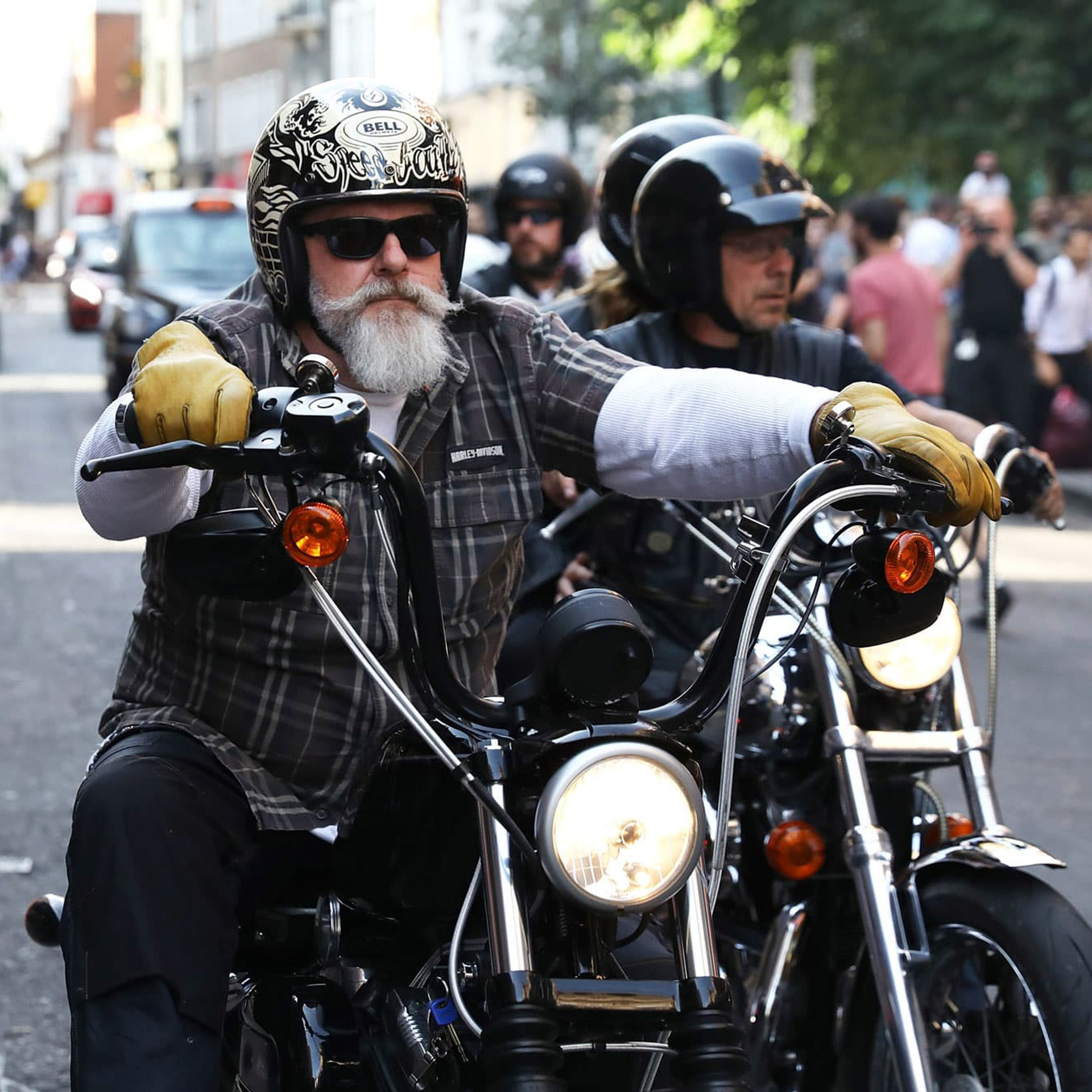
Current Culture: Higher price points limit the consumer to older, more financially established riders
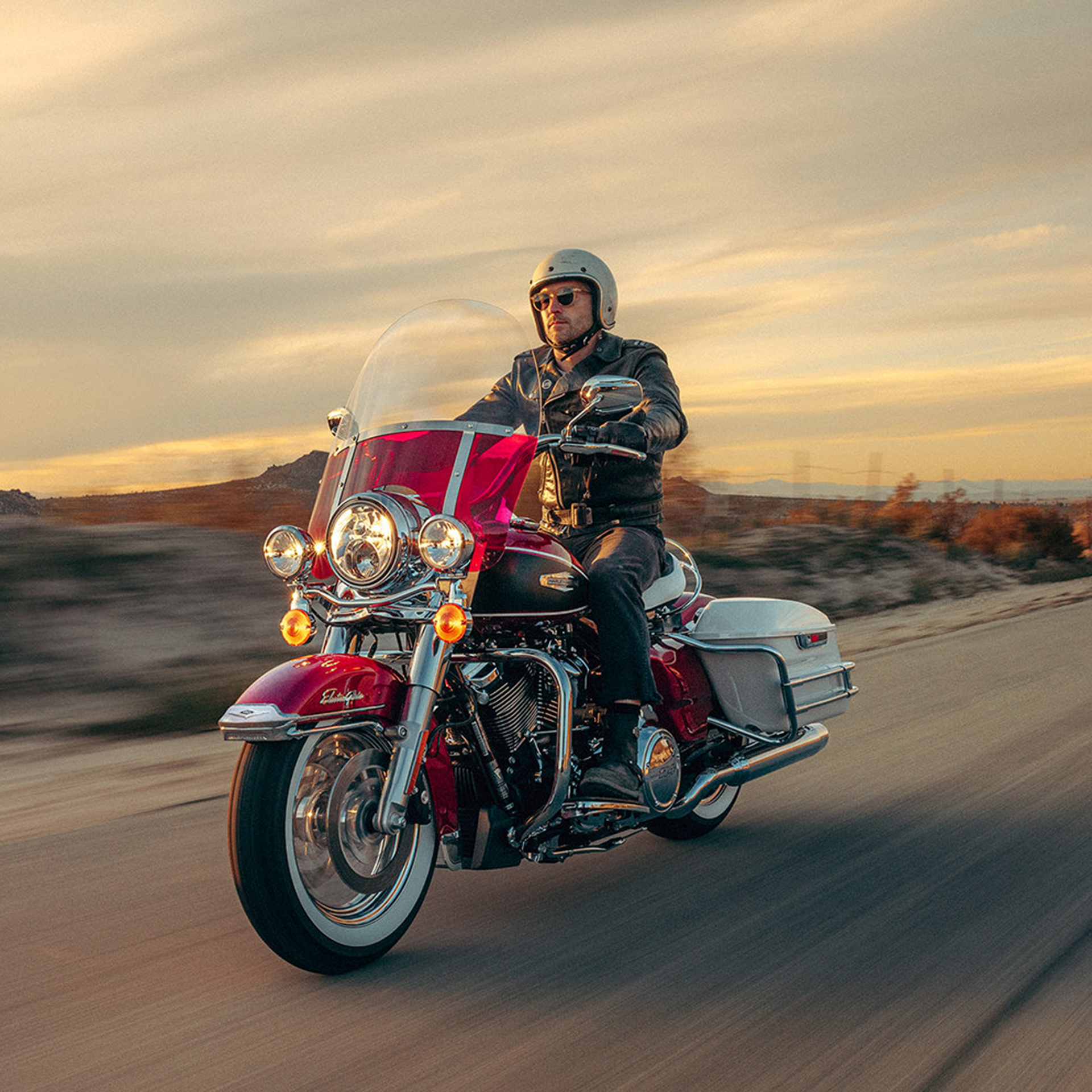
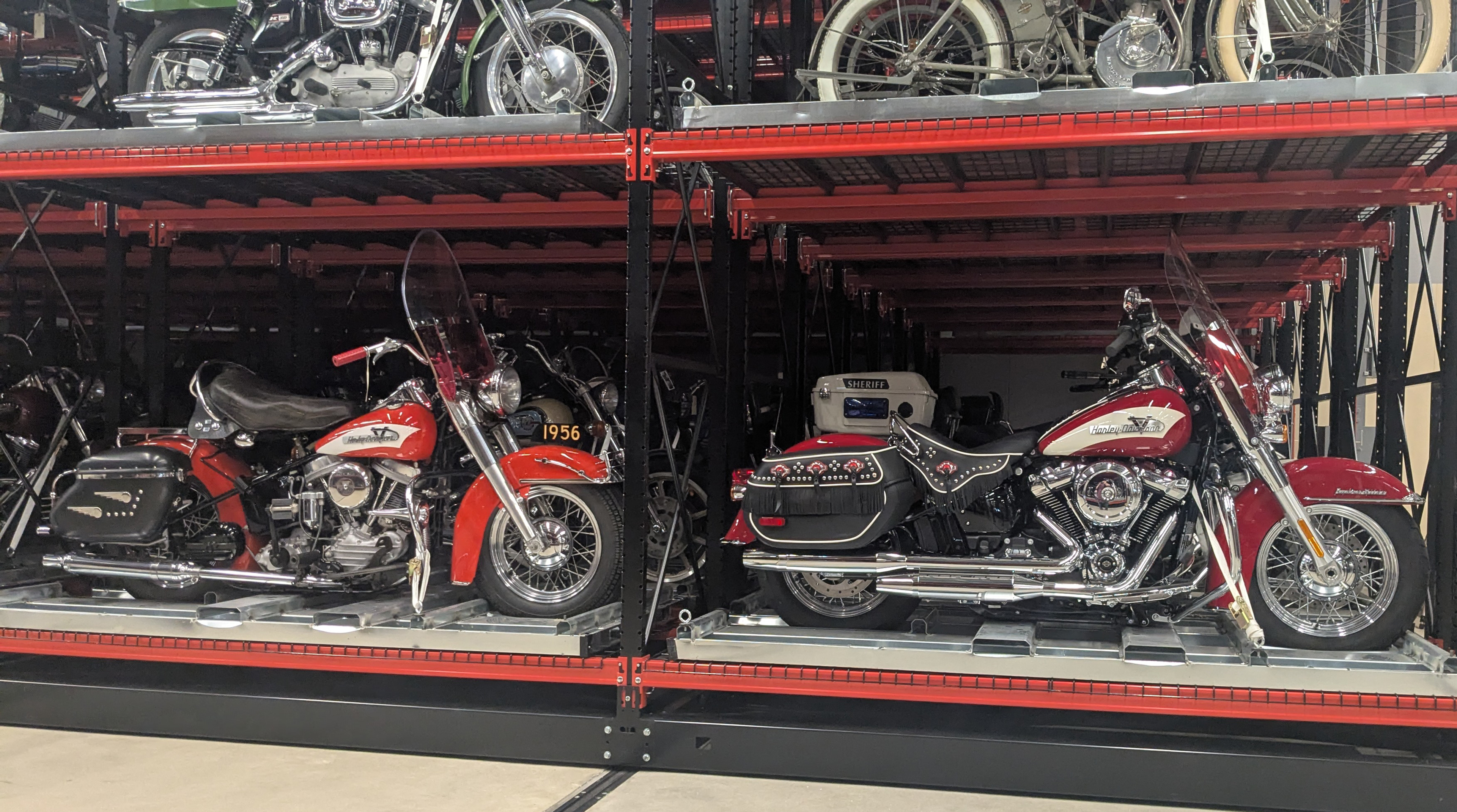
Icon Collection: 2023 Electra Glide® Highway King embodies 1968 Electra Glide
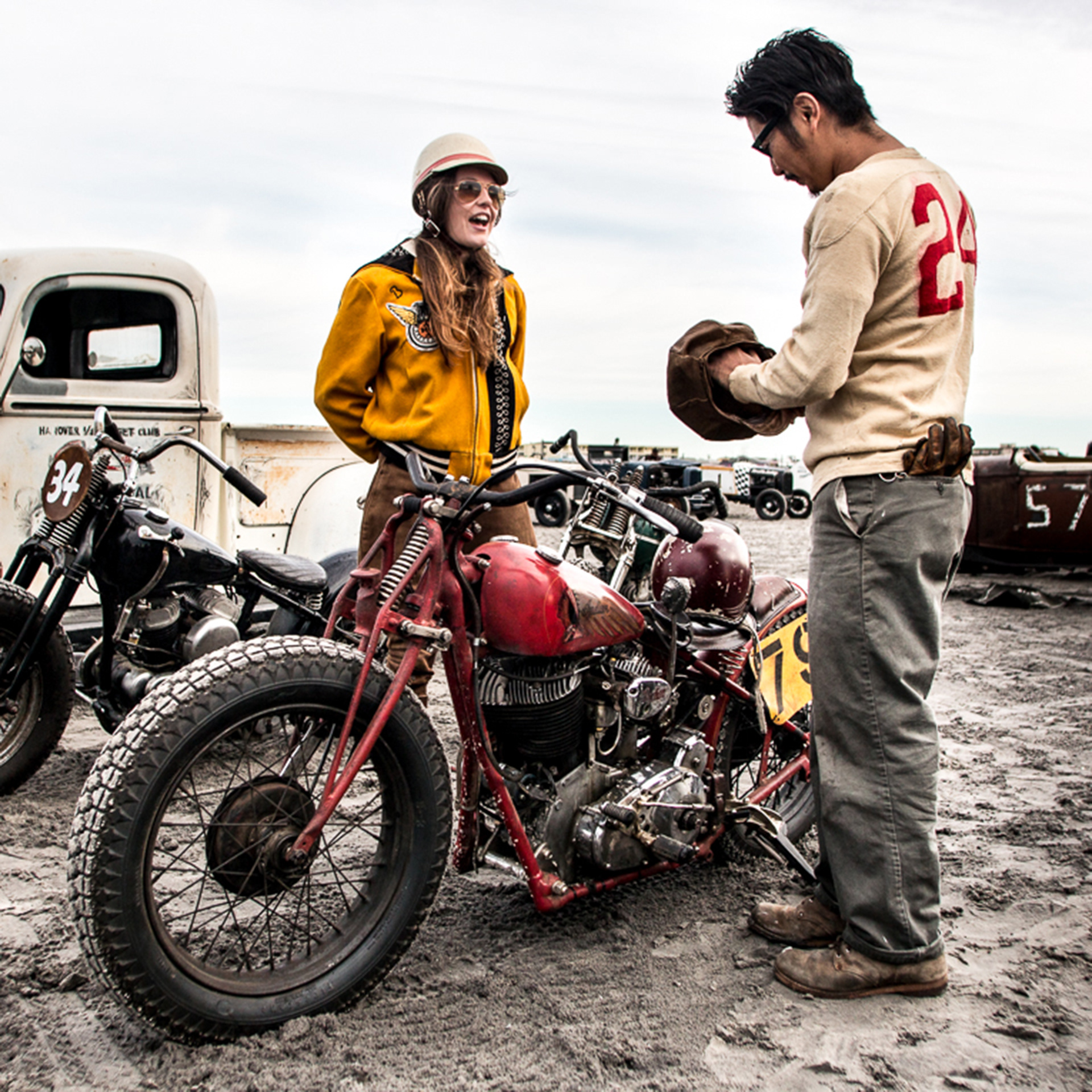
Opportunity: The Race of Gentlemen, young engaged participants race vintage motorcycles in Wildwood, NJ.
Individualism Through Accessories
Accessories have long been the means through which riders customize and express themselves through their motorcycles. Pictured is a 1960 Duo Glide with fender trim, a hand shifter, luggage rack, etc.
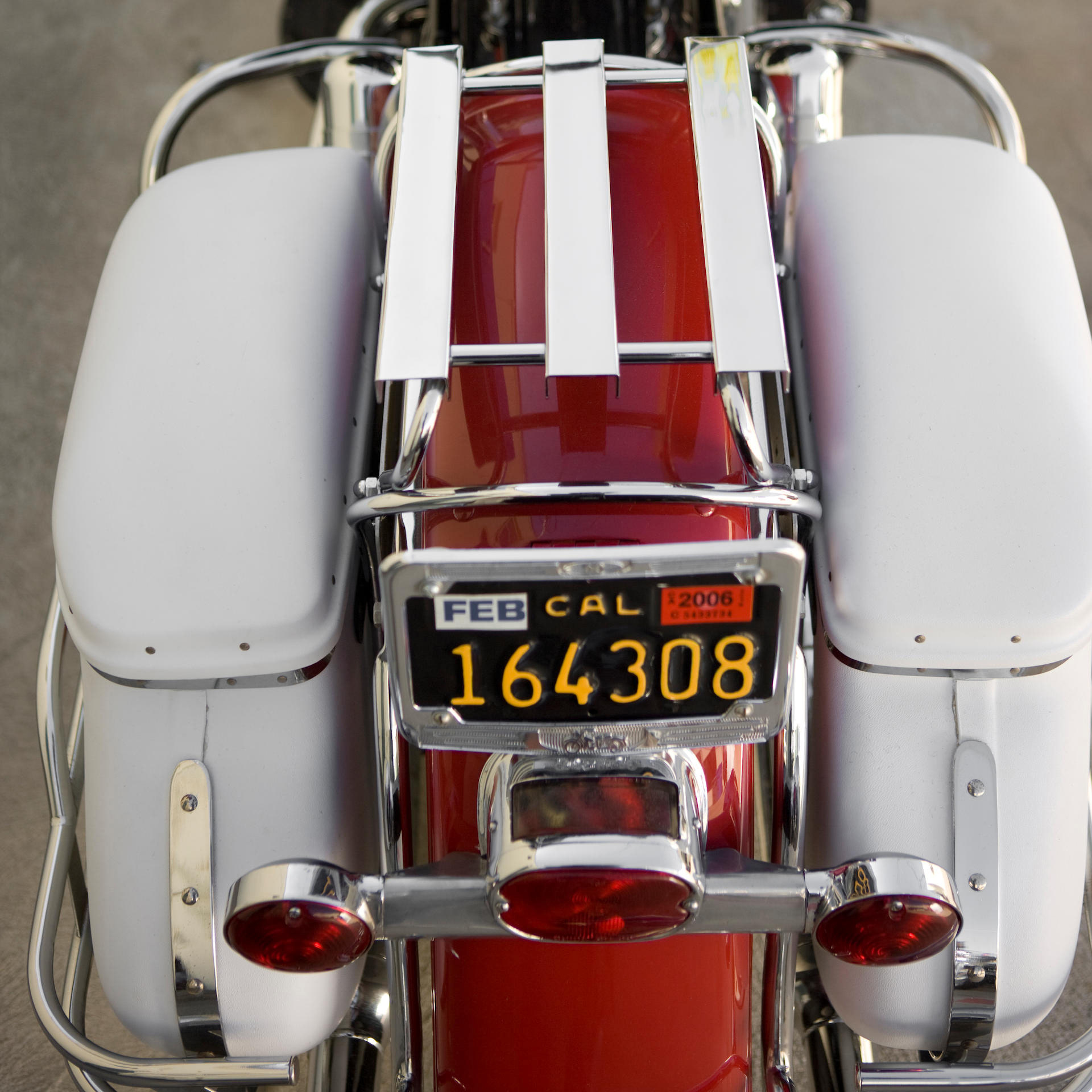
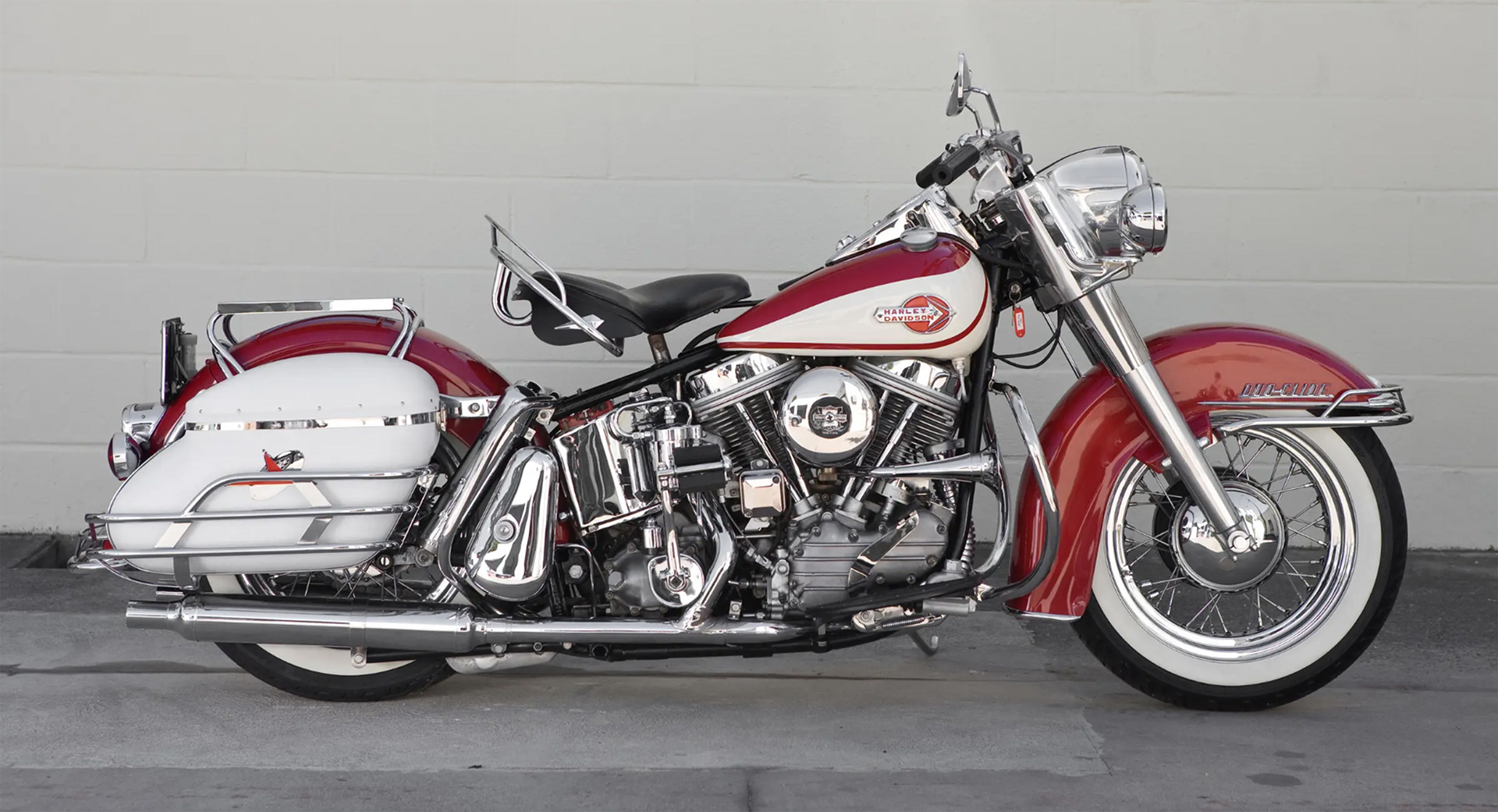
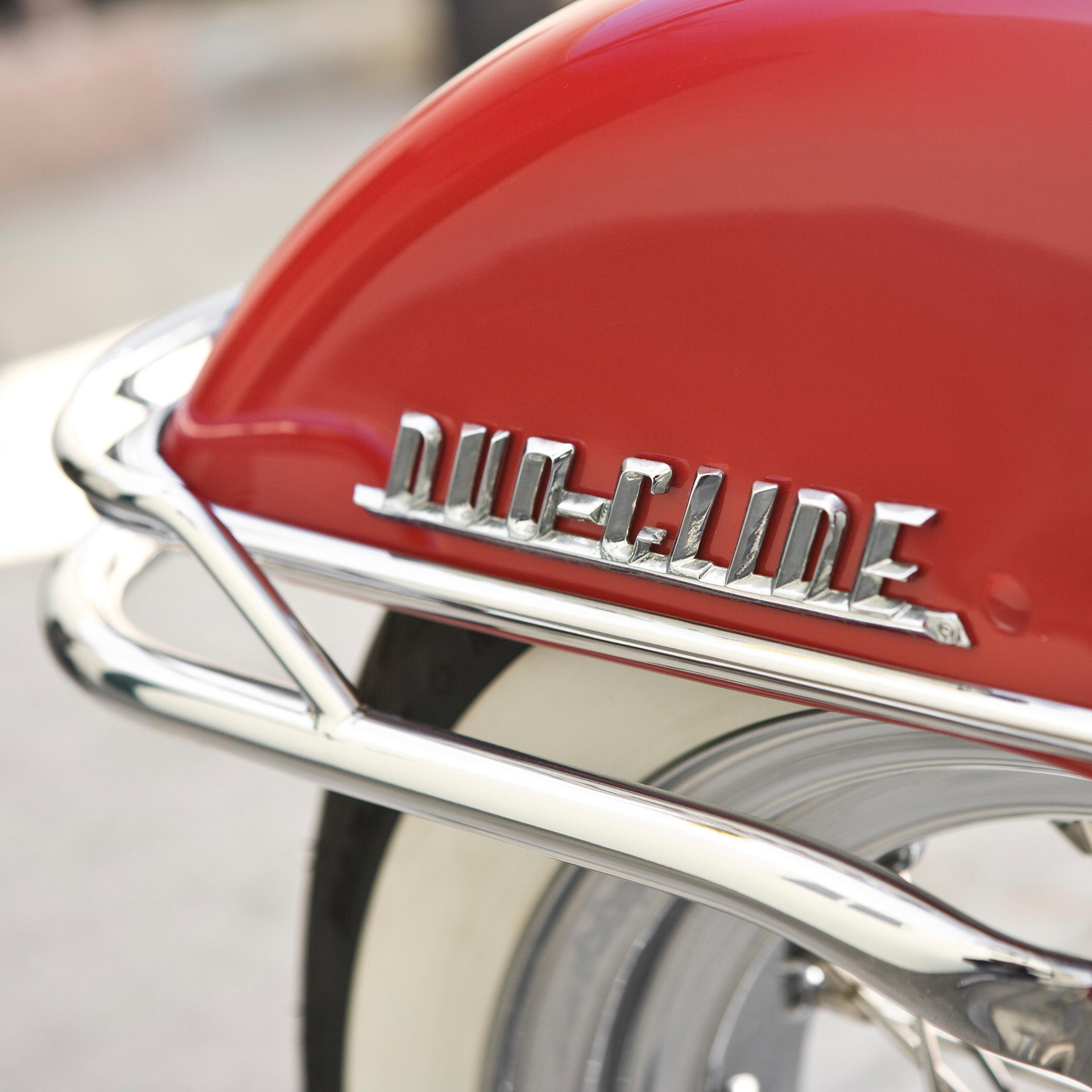
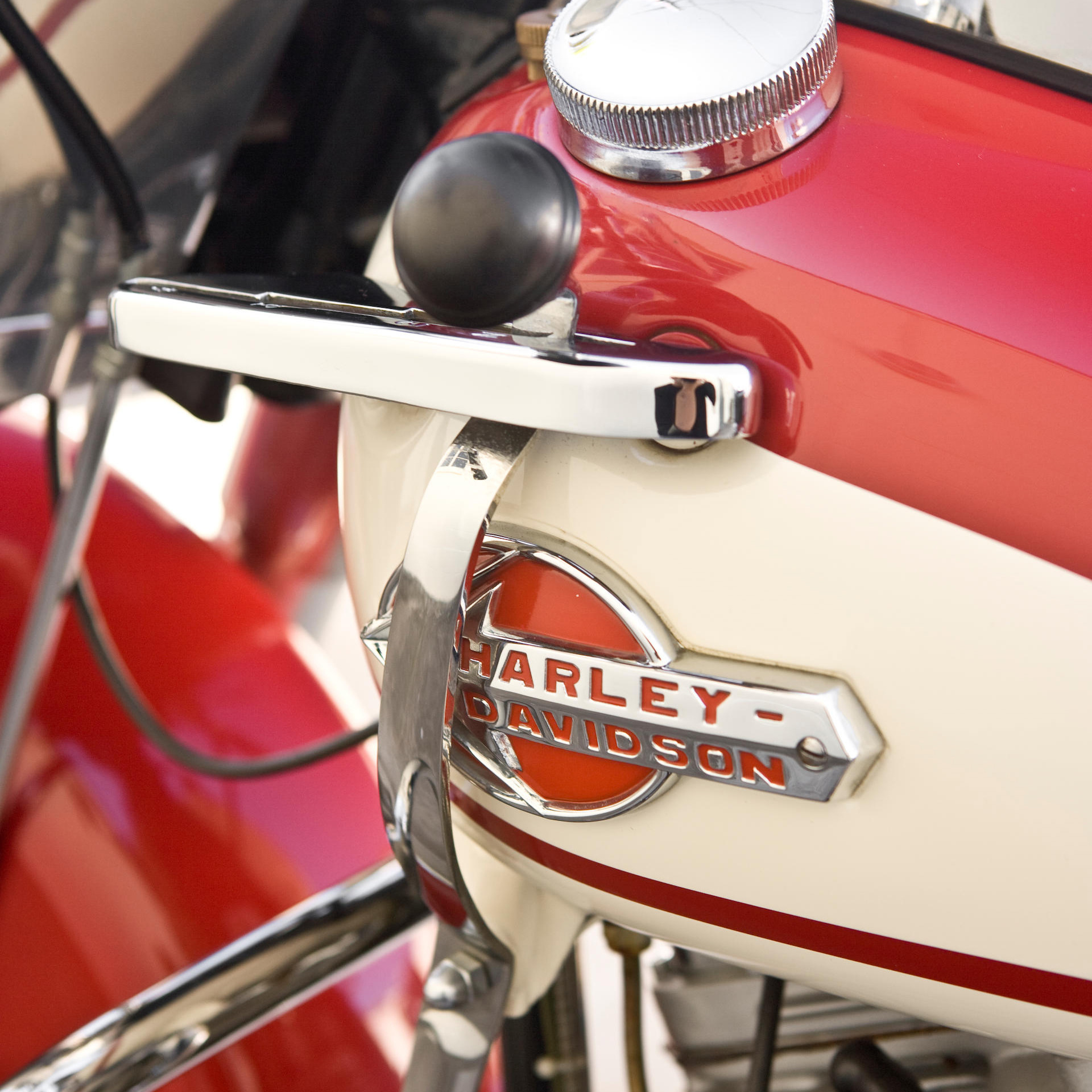
Harley Davidson Archives
After contacting Kristina McGuirk of the Harley Davidson Archives and explaining the field of interest for my upcoming project, she put me in contact with Chris Ripstein, the vehicle collections archivist for Harley Davidson. After meeting virtually intermittently through winter break, Chris offered me the opportunity to research with him in person in Milwaukee at the Museum and Archives. I researched in the archives with Chris in February 2025. The research gave me insights into the accessories that were produced between 1948 to 1969, my period of interest, and the stylistic changes that occurred during this period due to changes in trends and engineering.

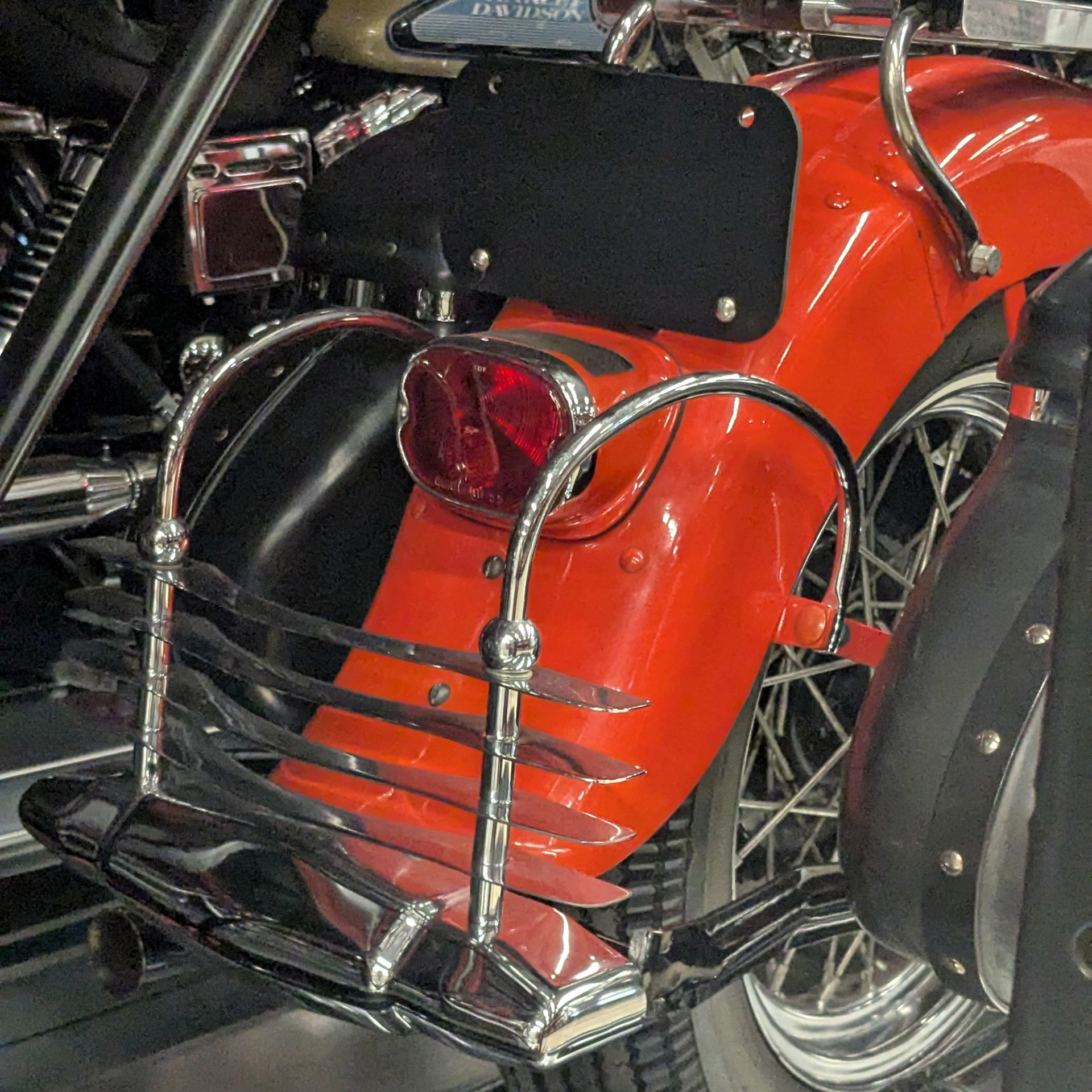
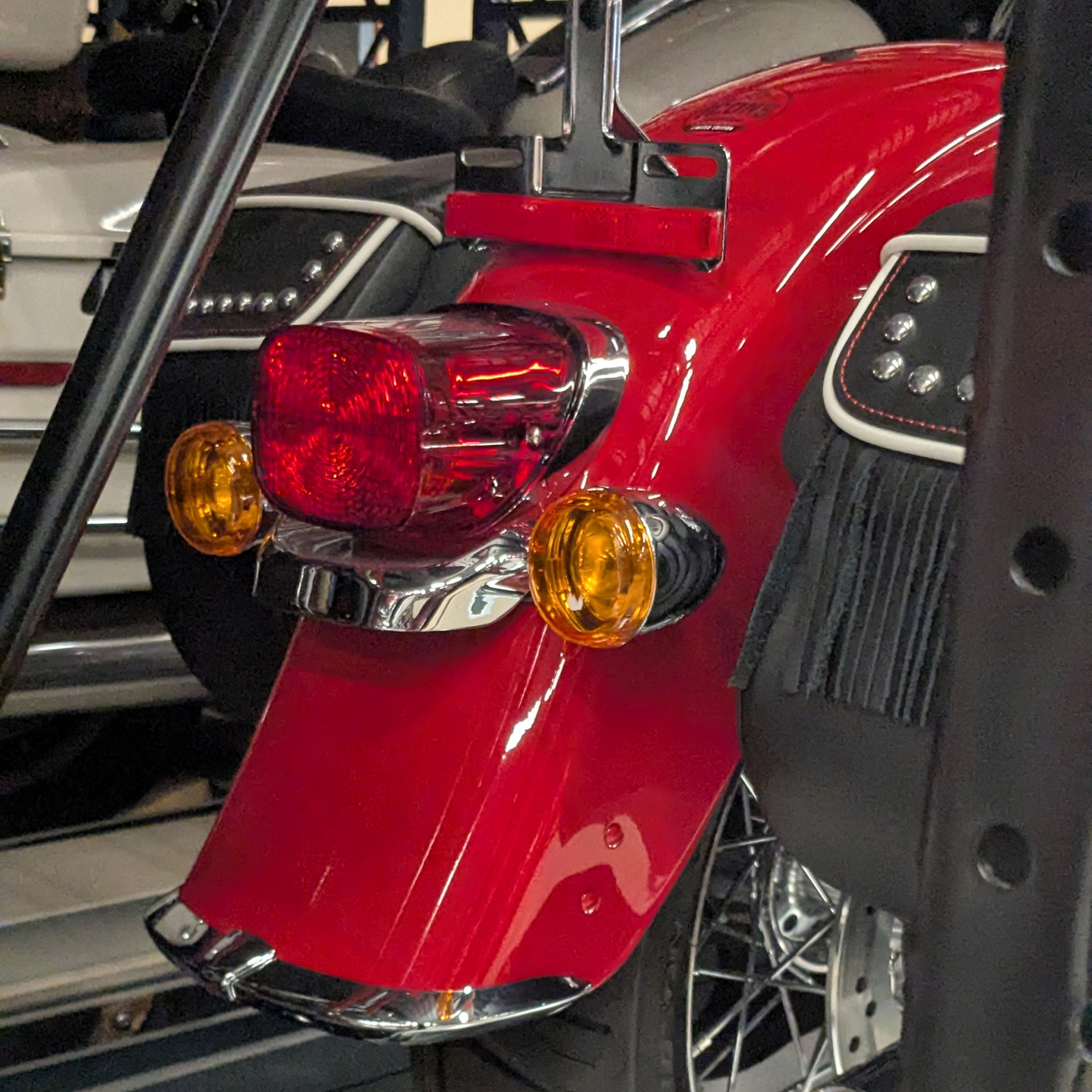
Prism Supply
Prism Supply manufactures vintage motorcycle parts and accessories in their shop in Concord, NC. They have a selection of original unrestored motorcycles in their shop. The opportunity to see pieces installed by previous owners offered a snapshot into the trends of the period.
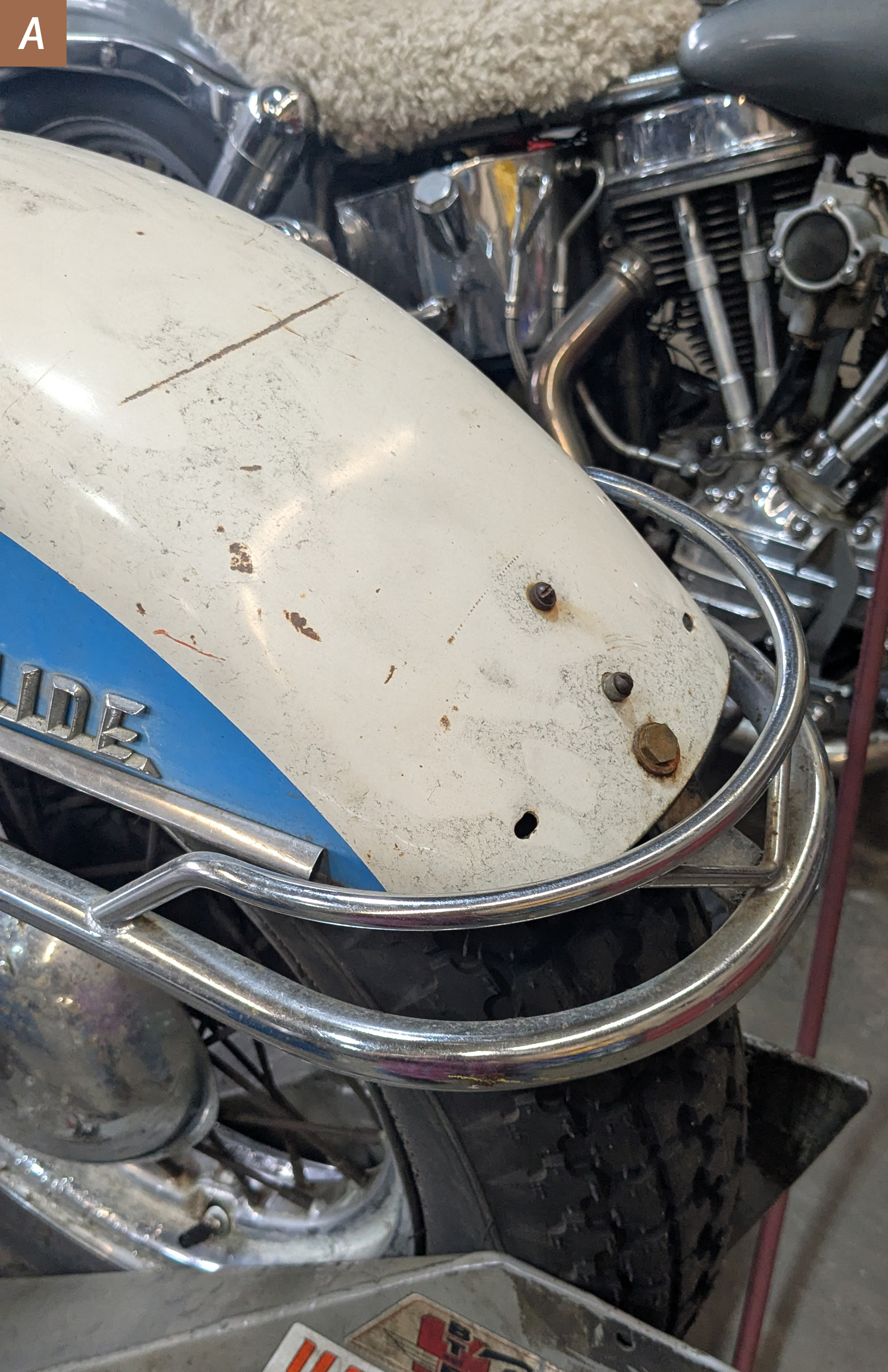
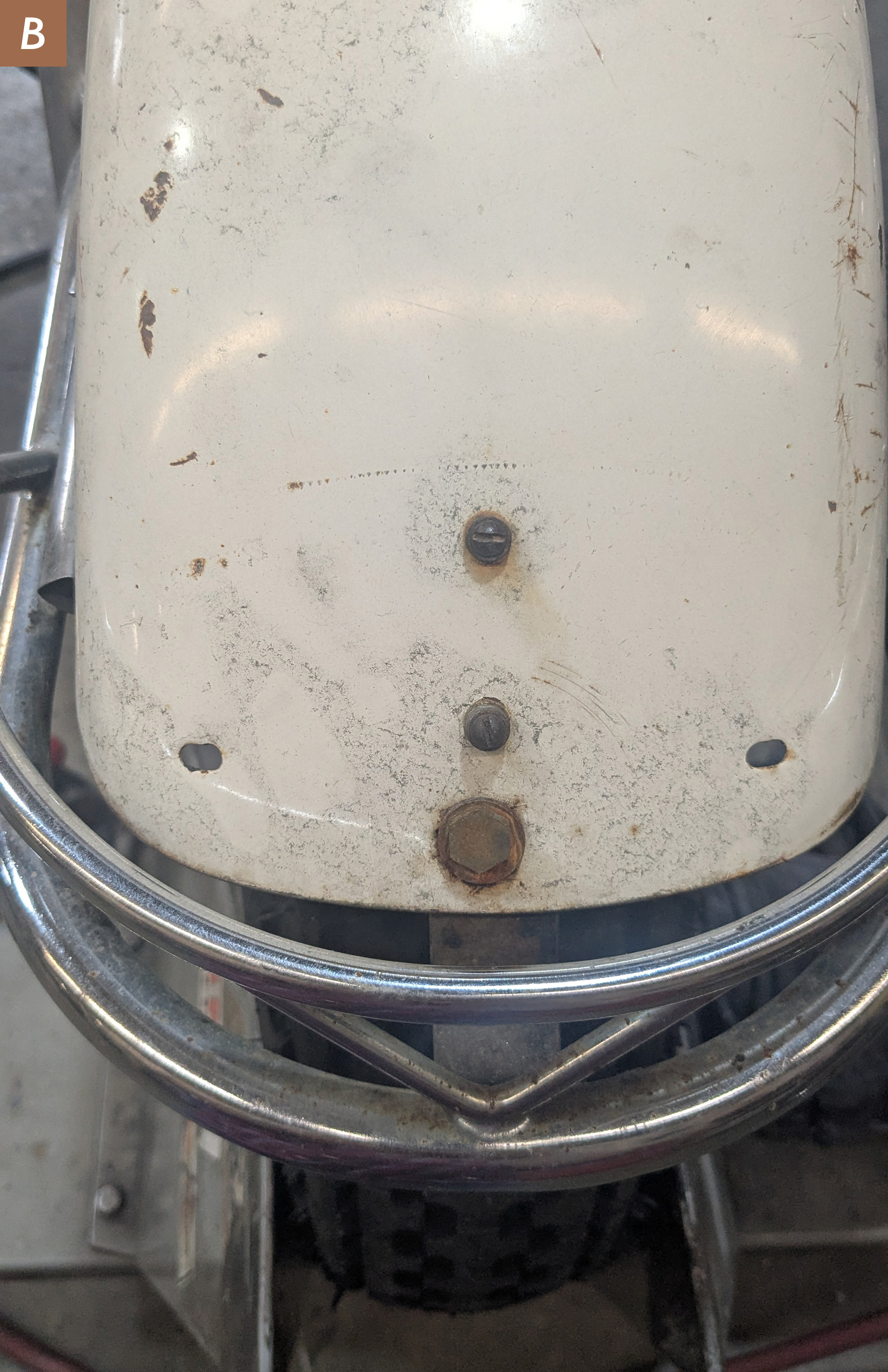
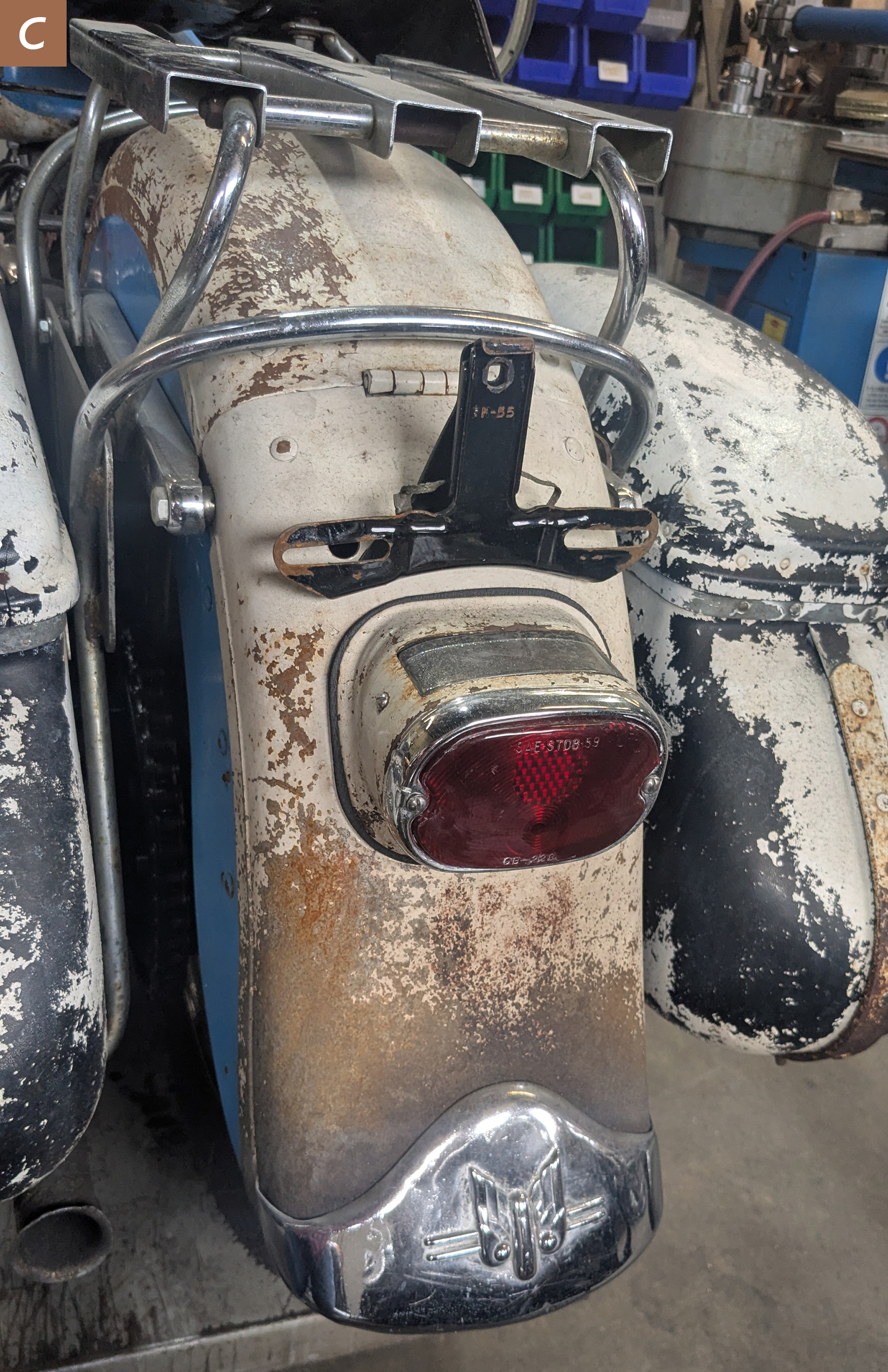
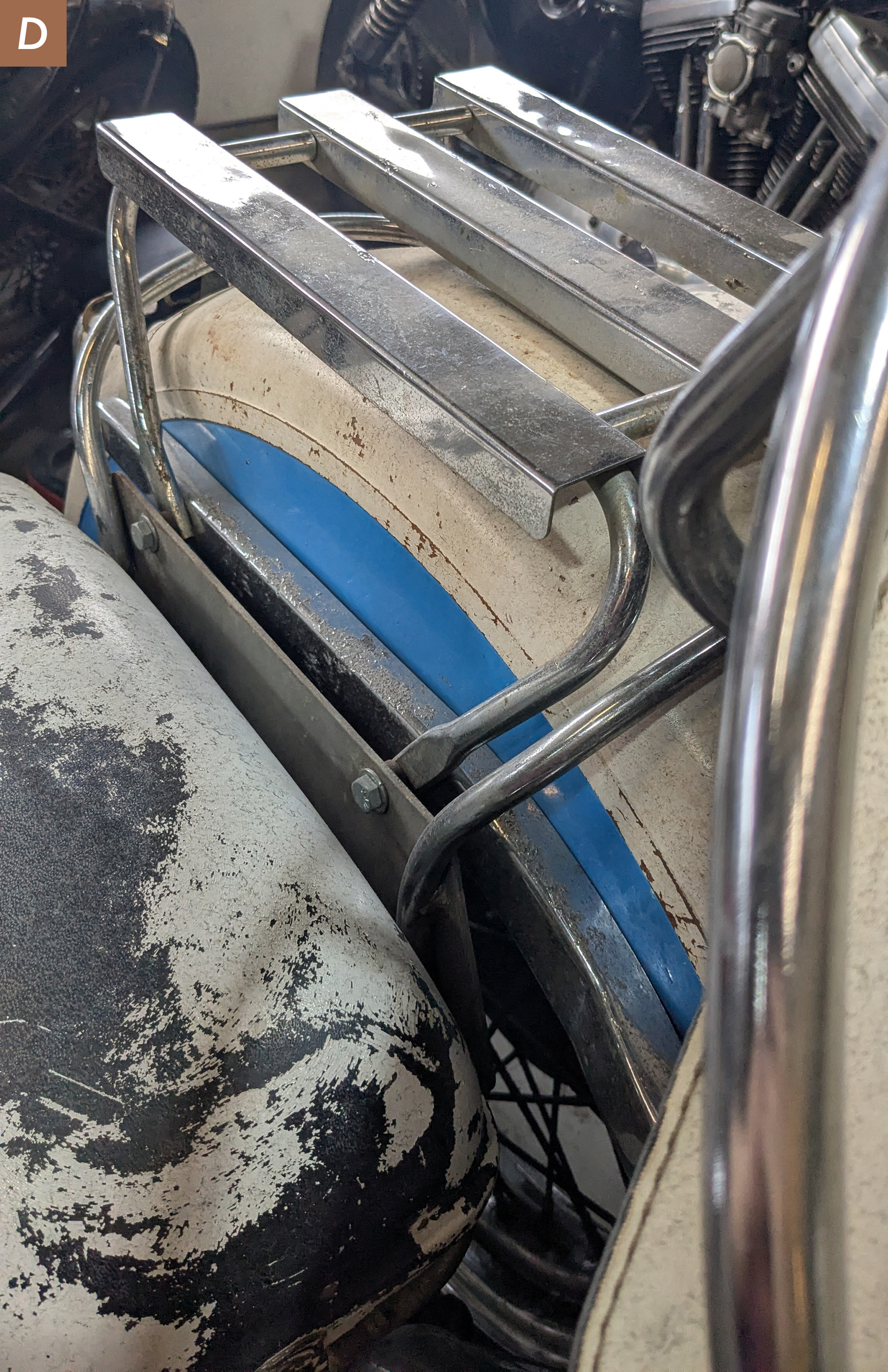
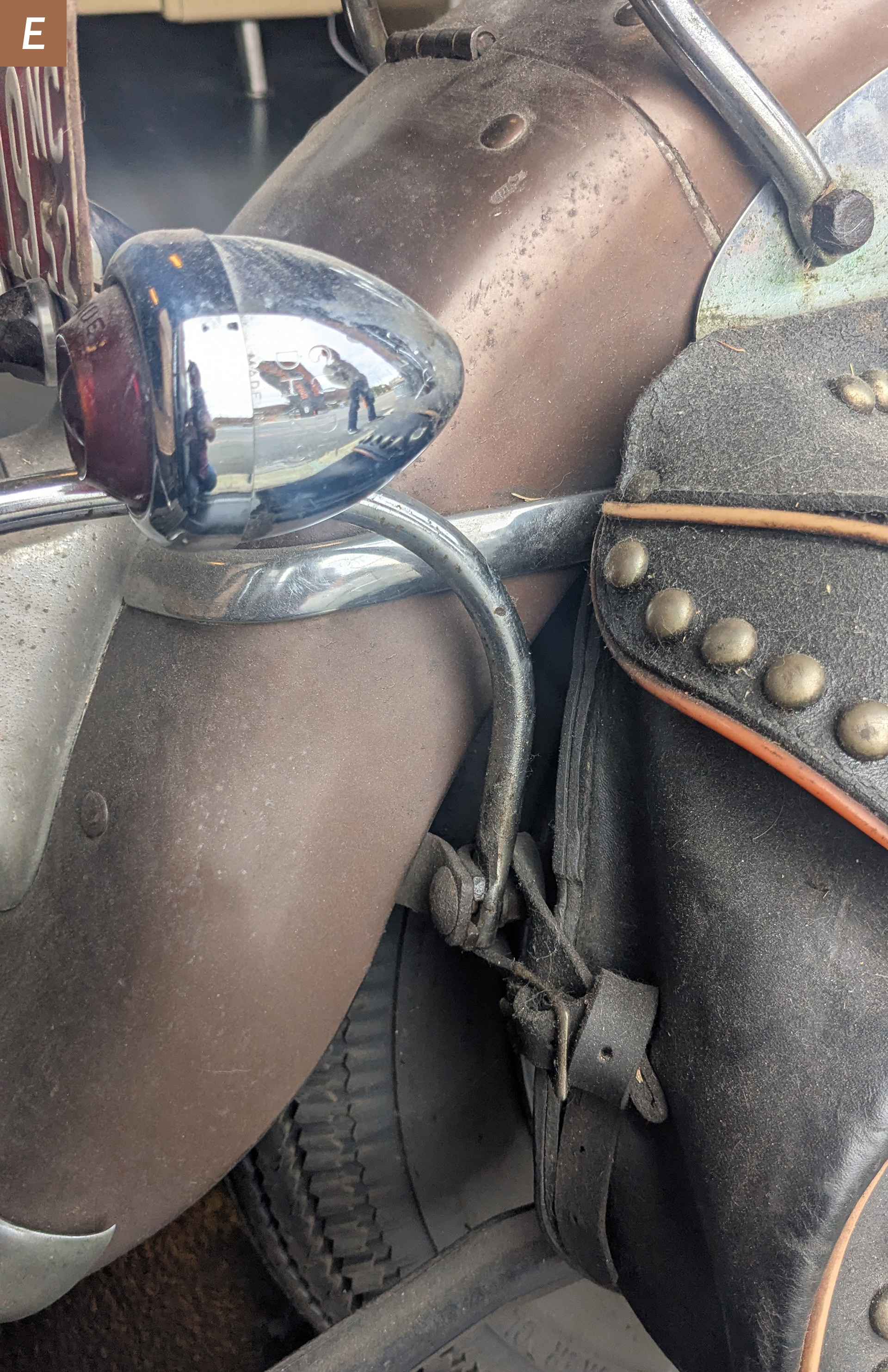
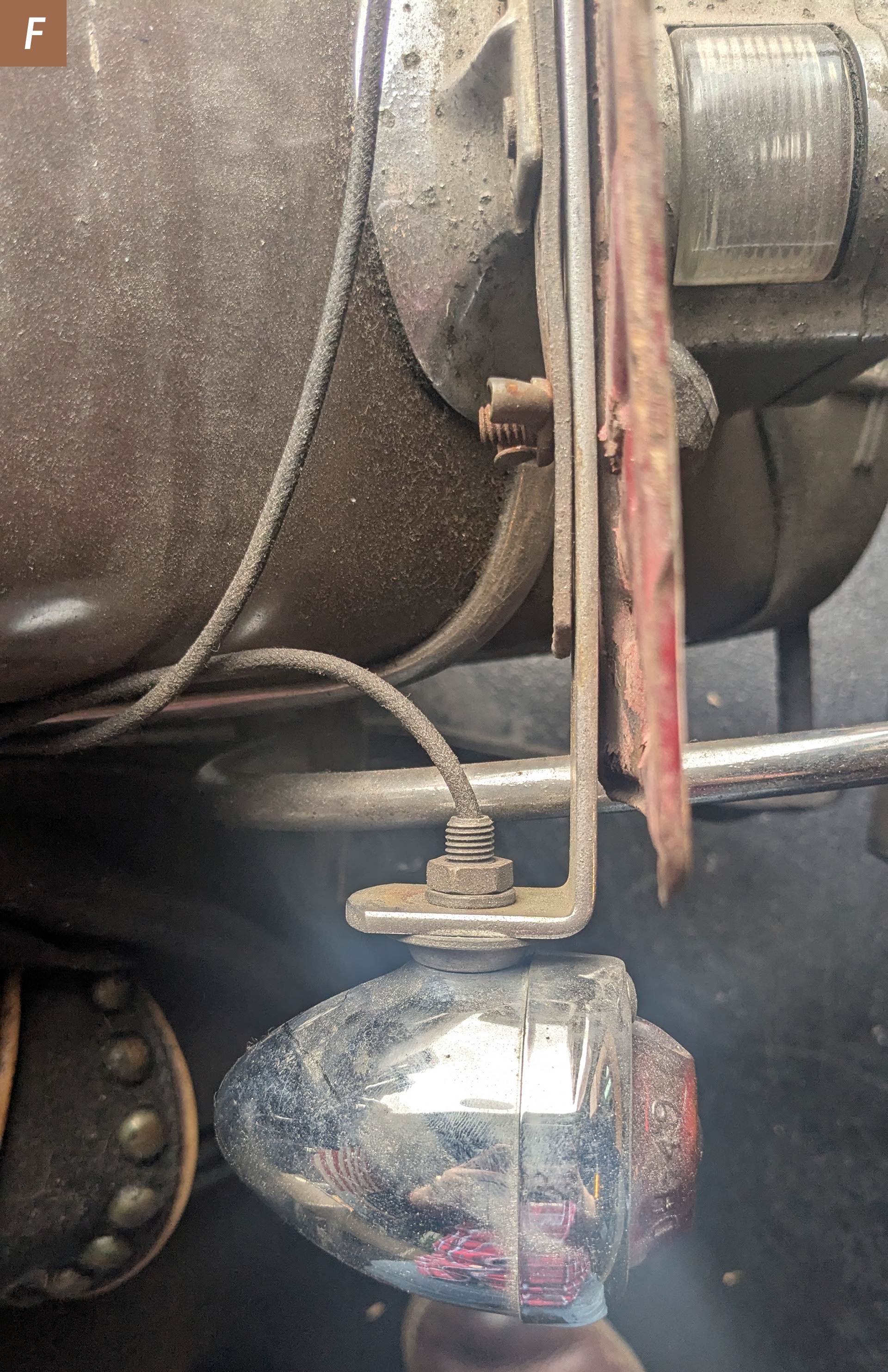
A. Adding a fender trim rail creates depth and dimension to the stock fender.
B. The hole pattern from earlier fender trim shows how earlier designs didn’t consider the vulnerability to rust by attaching some accessories.
C. A flared fender creates a sweeping silhouette, popular in the later years of the Art Deco period.
D. A luggage rack bolts to the same arm as the rear fender.
E. While not required until much later a rear turn signal/ license plate holder uses bent tubing to join to the rear fender reinforcement.
F. The wiring for the rear turn signal is not hidden or kept out of sight, distracting from the form.
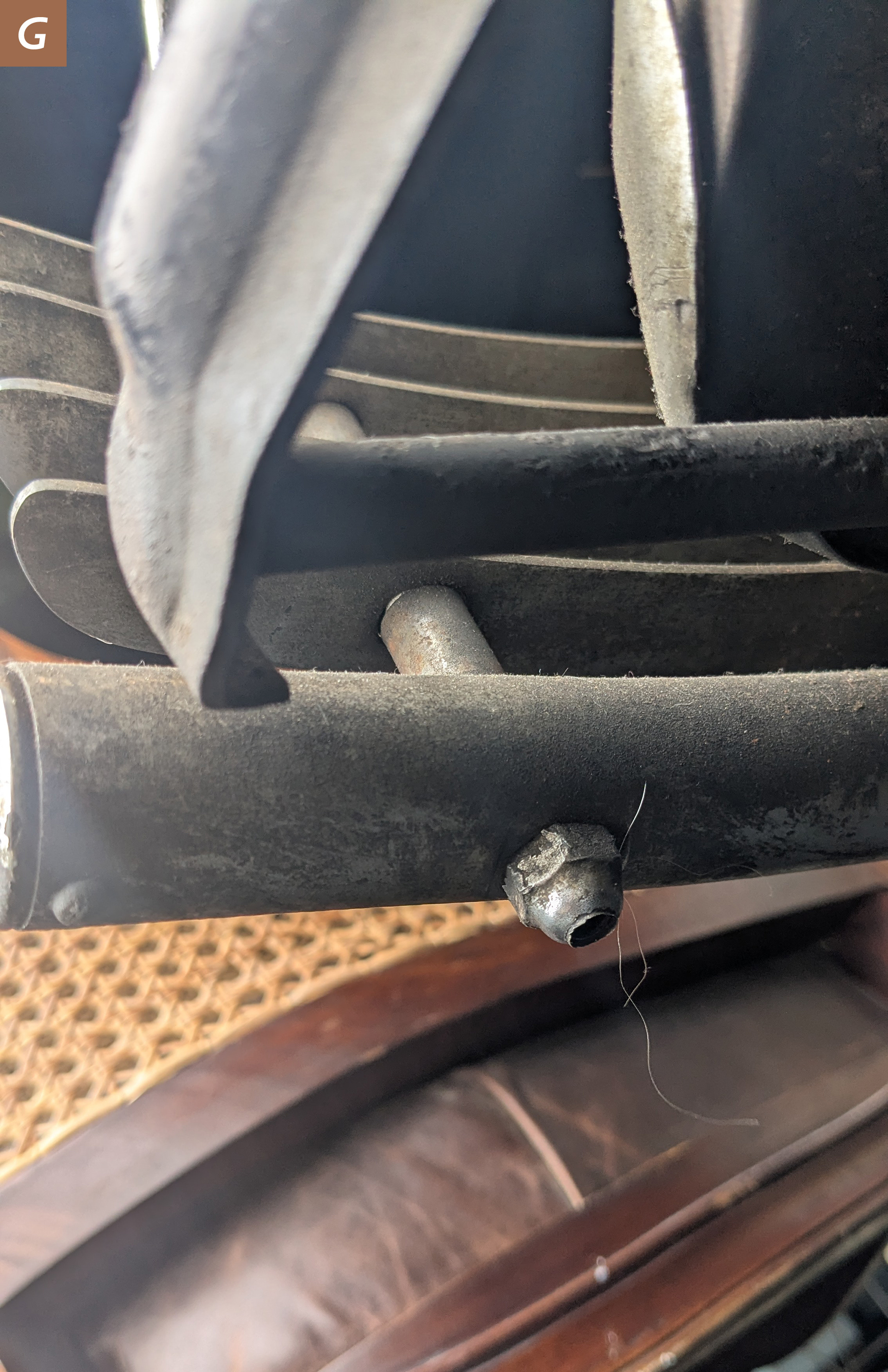
G. An original cheese grater is bolted together. Assembled by stacking components in compression it shows how detailed welding was unavailable in the period.
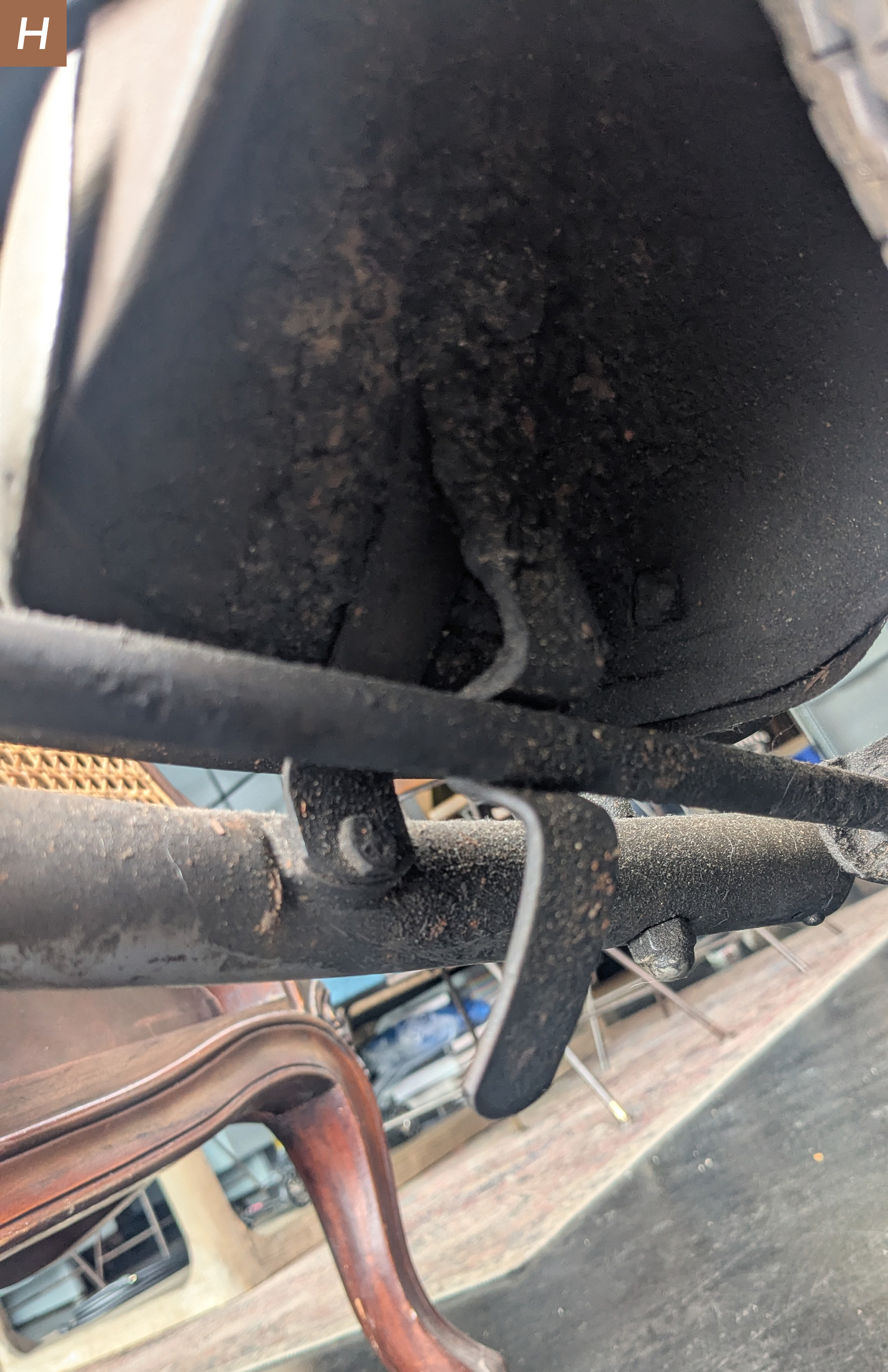
H. The cheese grater is stabilized on the bottom by a flange reaching under the fender to attach to the rear reinforcement.
Credits: Chris Ripstein, Archivist-Vehicle Collections at Harley Davidson Archives; Prism Supply